It’s an incredible time to invest in cryptocurrency, with many analysts claiming that the bear market is now behind us and that the crypto market is on the way toward the next bull market. That said, identifying the best projects can be difficult, so it can be useful to keep a close eye on the sentiment of smart investors to understand where the opportunities lie.
What are the best cryptos that offer investors the biggest profits?Basic Attention Token
Several factors play a role in the potential success of a cryptocurrency project, and there is no doubt that the token’s utility and the community’s strength are vital to strong prospects.
With that in mind, here are some of the projects that experts all seem to believe could see positive price growth over 2023 and beyond:
- AltSignals (ASI)
- Metacade (MCADE)
- Bitcoin (BTC)
- Shiba Inu (SHIB)
- Chainlink (LINK)
- The Graph (GRT)
- Ethereum (ETH)
- Dogecoin (DOGE)
- Binance Coin (BNB)
- Uniswap (UNI)
- Cardano (ADA)
- Basic Attention Token (BAT)
AltSignals – A revolution in trading signals
What is AltSignals?
AltSignals is taking the investment world by storm. The project is a rare opportunity to invest in a presale with many users on board and an established product. AltSignals is perhaps best known for its innovative AltAlgo™product, which enables traders to gain an edge over the competition and has helped drive the 1,500 signals sent out by AltSignals with an impressive 64% success rate.
The project is now looking to the next stage of cutting-edge signals development by building the new ActualizeAI product — an AI-powered next step in innovation that almost guarantees to drive unbelievable success rates for its users.
Not only does the ASI token provide holders the opportunity for exclusive access to the ActualizeAI product, ensuring an incredible advantage over its competitors, but holders can also join the private AI Members Club — granting access to a range of wider benefits and earning opportunities in the process.
What are the reasons to invest in AltSignals?
AltSignals offers unbelievable upside for investors, with a community of 50,000 users ready and waiting. Given that AltSignals also boasts a 4.9/5 Trustpilot rating, it’s hard to see the downside of the investment.
As the development of the product continues, holders who get in early could also have their profits compounded, with token value appreciation coupled with access to bleeding-edge trading signals at the same time.
What are the risks of investing in AltSignals?
It’s hard to see the risks of the ASI presale, although the crypto market as a whole remains highly volatile, so this should be considered before any investment choice.
>>> You can participate in the AltSignals presale here <<<
Metacade – A incredible gaming arcade
What is Metacade?
Metacade is an innovative new project that has released ambitious plans to build the world’s largest play-to-earn arcade. The Metacade ecosystem enables users to earn rewards for gaming and wider contributions to the ecosystem, which could boost user growth and retention over time.
Many crypto industry analysts believe that allowing users to earn crypto rewards is a clever strategic decision, so it’s no surprise that the project’s play-to-earn arcade makes it a popular choice for the best cryptocurrency to invest in.
The project also benefits from using the Ethereum blockchain, which is secure and reliable.
Why should you consider buying Metacade?
The project is proving to be one of the most popular crypto presales, and the price of MCADE is seen by many as being at a huge discount compared to the project’s potential. Early investors could see a lot of buying pressure as early as this year, especially if the appeal of earning crypto rewards quickly builds a big user base. It’s now in the final stage of the presale so it’s the last chance to buy before it lists on exchanges.
What are the risks of investing in Metacade?
As a crypto project, Metacade is operating in a highly volatile market, and so like other cryptocurrencies, investors should consider this before investing.
>>> You can participate in the Metacade final stage presale here <<<
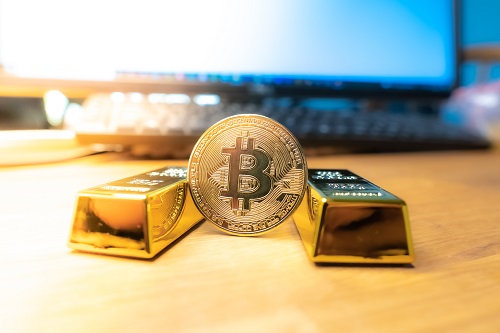
Bitcoin – The market leader
What is Bitcoin?
Bitcoin began more than a decade ago and has cemented its position as the most popular crypto to buy, thanks to a high level of decentralization and being considered stable — at least in the crypto market.
Many believe that Bitcoin has the potential to replace fiat currencies, and that sort of real-world value would be required to drive a high level of growth in the household name cryptocurrency.
Why should you buy Bitcoin?
While Bitcoin’s market cap is very high compared to most projects and certainly for a digital currency, it might still be the best crypto to buy for more conservative crypto investors. If TradFi money starts to move into cryptocurrency, Bitcoin is the likely destination for a large part of that, and so BTC could still see some punchy price rises in its future.
Even if Bitcoin doesn’t replace fiat currencies completely, it could also find a role as a store of value and an inflation hedge in the future. While the token remains a long-term investment for many, there’s no doubt that the blockchain technology that Bitcoin kickstarted is here to stay.
What are the risks of investing in Bitcoin?
The crypto space has developed substantially since the release of Bitcoin. In some ways, projects that enable functionality like smart contracts are favored regarding the disruptive use cases they make available.
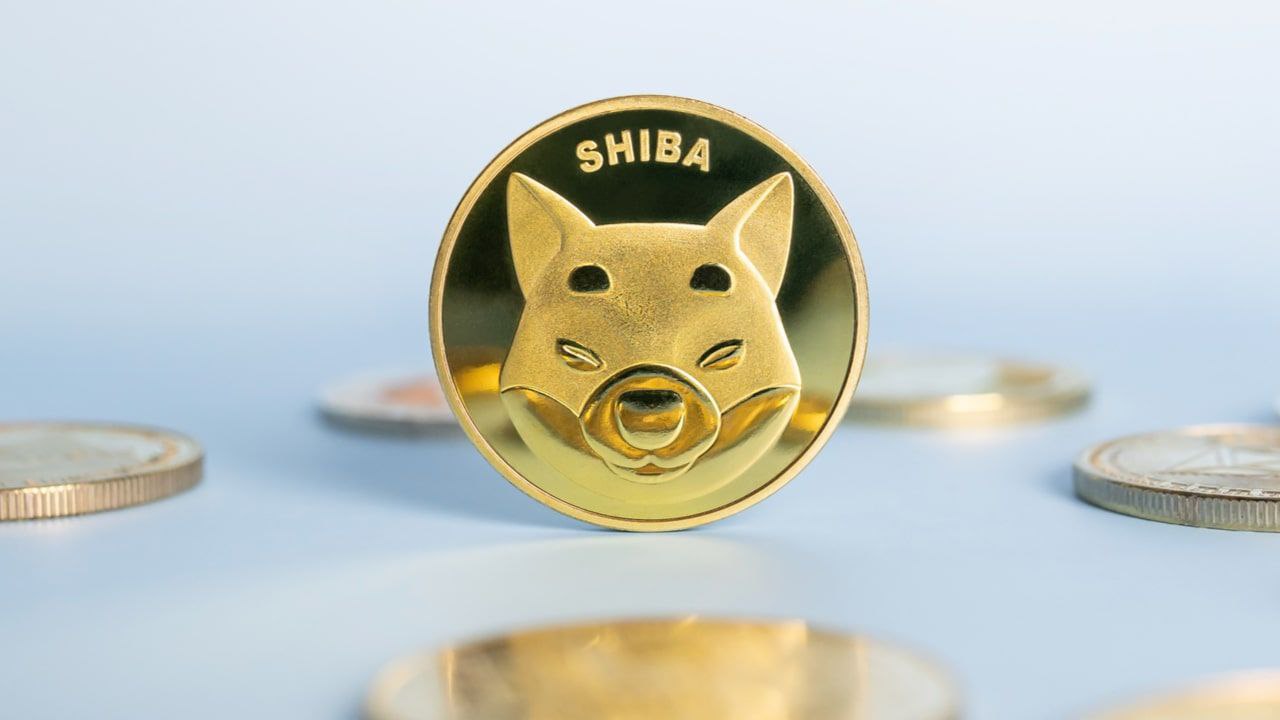
Shiba Inu – A strong community pivoting to utility
What is Shiba Inu?
Shiba Inu is a meme coin project that Dogecoin heavily inspired and, like most meme coins, began with very little utility. It managed to build up a large and passionate community. It could pivot relatively effectively to DeFi, giving the SHIB token a level of utility that it did not always possess.
Why should you buy Shiba Inu?
The enthusiasm found in the SHIB community, alongside the accessibility of the brand, means that Shiba Inu could perform well as a project that capitalizes on the limited awareness of crypto investment opportunities and serves as an entry point for those entering the space for the first time.
This could mean that the price of SHIB has some way to go, provided that it can keep its momentum and continue attracting new holders to the DeFi use cases of the platform, such as earning rewards for providing liquidity on Shiba Swap.
What are the risks of investing in Shiba Inu?
The project’s market capitalization is high, which inevitably limits the increases the token can act on. As more crypto assets build on compelling use cases, many will see other utility-based tokens offering more bang for their buck.
Chainlink – Bringing the real world on-chain
What is Chainlink?
Chainlink provides a broad range of Web3 services, which focus on the ability of their project to bring off-chain data into smart contracts. The project features a decentralized oracle network (DON) that uses financial incentives to ensure the accuracy of the data provided to its customers. As a result, it boasts the most partnerships of any crypto project.
Chainlink also has a passionate community of holders who have long considered LINK the best cryptocurrency to invest in. They believe that Chainlink’s next focus, interoperability, could see the price of LINK skyrocket if it is used across the enterprise space too.
Why should you buy Chainlink?
Plenty of decentralized applications already use Chainlink services, making native token LINK a popular crypto asset for utility investors. The token is implemented on the Ethereum blockchain but is chain-agnostic, widening its adoption target.
Secure data is a big requirement of many crypto projects and especially in areas like decentralized finance. As more decentralized applications come online, we could see more and more smart contracts needing access to data through Chainlink over time.
What are the risks of investing in Chainlink?
Chainlink is already very well known within the crypto space, and while it may remain a candidate for best crypto to buy, it might present more modest gains than those that can be found elsewhere.
The Graph – Indexing blockchain data
What is The Graph?
The Graph is a crypto project that enables users to query blockchains for their data, making it possible to build use cases that require data from blockchains without hosting expensive nodes for every chain yourself.
The project uses the GRT native token to support different roles in The Graph ecosystem. While it uses blockchain technology, it also boasts use cases that do not themselves have to be decentralized applications within Web3.
Many investors see The Graph as a key part of the future of Web3, as blockchain technology helps drive a new set of experiences across the web.
Why should you buy The Graph?
While GRT fell significantly during the crypto winter, the project boasts a lot of utility by allowing users to access so much data. The adoption of Web3 is slowly but surely building speed, and The Graph looks well-positioned to secure a big slice of the data market as the year progresses.
What are the risks of investing in The Graph?
The adoption of blockchain technology is growing, but not at warp speed. It’s likely to be many years before we see the big shift from Web 2.0, so while GRT is compelling, it is definitely considered a long-term investment by holders who deeply understand the project.
Ethereum – The original layer-1 protocol
What is Ethereum?
Ethereum is perhaps best known as the creator of smart contracts and has proved immensely successful in capturing and retaining a huge chunk of the layer-1 market it created. Many see Ethereum as the best crypto to buy due to its dominant position, and given the incredible uptime the blockchain has delivered, it will be difficult to beat.
Many crypto assets are based on the Ethereum blockchain to enable them to benefit from its reputation for being secure and reliable. While Ethereum is not considered a digital currency in the sense of payments, crypto enthusiasts understand that it has a huge reach regarding the number of industries it could disrupt.
Why should you buy Ethereum?
The Ethereum ecosystem is a very popular choice for developers, and this could mean a high growth percentage over the coming years. The crypto winter did little to reduce the enthusiasm for the Ethereum network, and we could see the cryptocurrency market respond well to the moves Ethereum is making following its recent move to proof-of-stake.
What are the risks of investing in Ethereum?
Ethereum has had a reputation for very high transaction fees, and while the project has seen these reduced over the last year, there is a long way to go before it can compete on that front with the Binance Smart Chain.
Dogecoin – The first meme coin
What is Dogecoin?
Dogecoin is a project that Billy Markus began as a joke in 2014. Of all crypto projects, Dogecoin has been on one of the most impressive journeys, making its way to near the top of the crypto market due to the passionate community.
The main use case for Dogecoin is as an alternative form of payment, a digital currency similar to the main use case for Bitcoin and LTC (often considered the silver to Bitcoin’s gold).
Why should you buy Dogecoin?
Dogecoin might be the most popular crypto to invest in for newcomers to crypto, and this gives the project a big advantage over more technically complex and intimidating projects. The best cryptocurrency projects are the ones that have the largest user bases, and despite being a meme coin, Dogecoin boasts low transaction fees and is incredibly well known.
What are the risks of investing in Dogecoin?
Dogecoin sees itself as the future of money, but whether it could handle the vast number of global transactions without some sort of scaling solution is unlikely. It also has a very high market cap considering the relatively low level of adoption of the project for real-world use cases.
Binance Coin – A popular centralized ecosystem
What is Binance Coin?
Binance is the biggest dedicated crypto exchange in the world, and its trading volume is something that a decentralized cryptocurrency exchange can only dream of. Binance has expanded significantly beyond the exchange, including its own blockchain — the Binance Smart Chain.
Binance provides great support to projects launching on the BSC, and many investors prefer to back crypto assets like Binance Coin, which have high investments even if they lack decentralization.
Why should you buy Binance Coin?
Binance provides a high throughput and low fee environment for developers and will likely continue to see huge growth on the platform. Should the chain capture one or two high-volume projects that go mainstream, we could see the price of native token BNB increase significantly. BNB can also be staked to earn rewards, making it one of the best cryptos to buy.
What are the risks of investing in Binance Coin?
The days of securing BNB at a huge discount are behind us, and the project now has a very high market cap compared to many others. It also is battling against the Ethereum blockchain, and if TradFi exchanges enter the space in the coming years, Binance’s dominance might be challenged.
Uniswap – Ethereum’s most popular decentralized exchange
What is Uniswap?
Uniswap is a decentralized exchange that allows users to trade cryptocurrency in a trustless way. The platform allows for a huge amount of crypto assets to be traded and is one of the earliest ways to acquire tokens for new projects, as it uses smart contracts to make the trades.
As Uniswap is implemented for the Ethereum blockchain, it benefits from the proof-of-stake consensus for security, and its close connection with ETH, which is widely considered one of the best crypto projects.
Why should you buy Uniswap?
The native token UNI is used to facilitate trades. So holders of UNI believe that the ability to earn rewards by providing liquidity puts it among the best crypto out there. If we see a rise in the trading of projects with low market capitalization, Uniswap could continue to grow over the coming years.
What are the risks of investing in Uniswap?
As more and more traditional exchanges get involved in crypto, we could see many of them utilize smart contracts to try to take some of the trading volume in this space. Uniswap is also at the mercy of Ethereum’s market share and already has a market cap.
Cardano – An alternative home for decentralized apps
What is Cardano?
Cardano is another proof-of-stake layer-1 protocol that has produced many projects building on its blockchain. Of all blockchain platforms, Cardano boasts some of the most ardent crypto investors in the space, with the crypto industry still unsure whether Cardano can prove reliable (and with low enough gas fees) to take on the Ethereum network.
The project uses its cryptocurrency, ADA, to pay for gas fees on transactions, although its current gas price on Cardano is much lower than that on chains like Ethereum. The project has also been able to gain exposure as a result of its outspoken founder, Charles Hoskinson.
Why should you buy Cardano?
Cardano has a large development community, building projects that support in-game assets, real-world rewards, virtual worlds, and much more. The dedicated community means the momentum will likely stay, which could mean big returns over time.
What are the risks of investing in Cardano?
Whether other cryptos offer better layer-1 functionality is debatable, but Cardano has struggled with releases even during the current bear market. While many consider ADA among the best cryptos to buy now, there are likely to be other digital assets that could bring higher rewards, especially if invested in a hardware wallet for the long term.
Solana – A VC-backed layer-1 protocol
What is Solana?
Solana is a layer-1 protocol project that uses the crypto token SOL for its fees, similar to other cryptocurrencies. The SOL token can also act as a governance token, and Solana has formed partnerships with many large companies.
Solana has formed an active development community, with projects allowing users to buy virtual plots of land, mobile gaming rewards, and many for trading cryptocurrencies. Despite some centralized servers dominating the network, the project remains very popular with blockchain purists.
Why should you buy Solana?
SOL is a crypto token that sees price movement based on the activity on its network. With many a presale launch on the platform, the native cryptocurrency SOL could catch a boost from a successful project launched on the chain.
The cryptocurrency markets can be difficult to predict. Still, SOL is certainly a digital asset that could provide real-world utility if use cases like tokenization are picked up on the platform. Many other crypto assets across the cryptocurrency space are built on or integrated with the Solana network.
What are the risks of investing in Solana?
SOL is a popular coin, and although many think it could have huge potential, it has a much higher market cap than many other coins. With SOL on all centralized exchanges and most investors’ crypto portfolios, some could argue it’s already at a fair market value. Its valuation compared to early projects rules it out of the biggest gainers.
What is the best crypto to buy right now?
Anyone can see that there are a lot of interesting opportunities out there for investors right now, but it’s difficult to see past AltSignals as an incredible investment that seems destined for the big time.
How long it will take for the token to see massive price appreciation remains to be seen. Most investors wouldn’t be surprised to see incredible returns this year as more of the market realizes the huge opportunity.
Related Crypto FAQs
What are cryptocurrencies?
A cryptocurrency is a set of digital or virtual tokens that utilize cryptography for security and operate independently of any central authority. They are decentralized, meaning they are not controlled by governments or financial institutions and are usually based on a peer-to-peer blockchain network.
Cryptocurrencies offer several advantages over traditional fiat currencies, including lower transaction fees, faster transfer times, and increased privacy. They also provide greater financial inclusion, allowing people without access to traditional banking services to participate in the global economy.
While the crypto market has seen extreme volatility and is not without risks, the potential for significant returns has attracted investors and traders worldwide. As cryptocurrencies evolve and gain acceptance, they are poised to revolutionize how we think about money and financial transactions.
What is a crypto presale?
A crypto presale is a fundraising event allowing investors to purchase tokens or coins of a new cryptocurrency project before its official launch. This is usually done to raise funds for development, marketing, and other expenses related to launching the cryptocurrency.
During a presale, the tokens or coins are typically sold at a discounted rate to early investors. The idea is to incentivize investors to invest in the project early on, with the expectation that the value of the tokens or coins will increase in the future.
Crypto presales are often seen as a way for investors to get in on the ground floor of a potentially promising project, but they can also be risky. As with any investment, there is no guarantee of returns, and investors should do their due diligence before participating in a presale.
Which crypto will explode in 2023?
Many projects could perform well over 2023, although many analysts tasked with finding the best cryptos to buy are returning to AltSignals as a fantastic opportunity for big returns.
Which crypto to buy today for the short term?
The best crypto for short-term gains is difficult to identify, but choosing a crypto to invest in for gains in 2023 relies on project momentum this year. AltSignals could do well in both the short and long term due to its active user base, and the low market cap makes it a strong choice for big profits.
Which crypto to buy today for the long term?
Other projects that could perform well in the cryptocurrency market include the likes of Metacade, as play-to-earn is set to be a huge growing market and could be among the best cryptos to buy for long-term returns if its play-to-earn arcade can build a large user base.
Which crypto has the most potential?
When many investors think of cryptocurrency, they think of the crypto asset Bitcoin. But with smart contracts such as in the ethereum ecosystem enabling decentralized finance, many projects have big potential. Projects built on proof-of-stake chains are considered wise investments, and a low market capitalization is necessary for big returns.
What is the best cryptocurrency to invest in 2023?
The best crypto to buy in 2023 will likely have a low market capitalization, and all the best cryptocurrency projects need a great deal of utility. This makes the best crypto to invest in more likely to be an early-stage project such as AltSignals over a high market cap project such as Bitcoin.
Are there cryptocurrencies ETFs (Exchange Traded Funds)?
There are a growing number of cryptocurrency ETFs, although compared with the best cryptos to buy in the market, they are likely to offer more modest returns. For conservative investors more comfortable with a digital asset like Bitcoin than projects in decentralized finance and other cryptocurrency use cases, ETFs could be a good option.
You can participate in the Metacade final stage presale here.
You can participate in the AltSignals presale here.
Share this article
Categories
Tags