The leader in news and information on cryptocurrency, digital assets and the future of money, CoinDesk is a media outlet that strives for the highest journalistic standards and abides by a strict set of editorial policies. CoinDesk is an independent operating subsidiary of Digital Currency Group, which invests in cryptocurrencies and blockchain startups. As part of their compensation, certain CoinDesk employees, including editorial employees, may receive exposure to DCG equity in the form of stock appreciation rights, which vest over a multi-year period. CoinDesk journalists are not allowed to purchase stock outright in DCG.
The leader in news and information on cryptocurrency, digital assets and the future of money, CoinDesk is a media outlet that strives for the highest journalistic standards and abides by a strict set of editorial policies. CoinDesk is an independent operating subsidiary of Digital Currency Group, which invests in cryptocurrencies and blockchain startups. As part of their compensation, certain CoinDesk employees, including editorial employees, may receive exposure to DCG equity in the form of stock appreciation rights, which vest over a multi-year period. CoinDesk journalists are not allowed to purchase stock outright in DCG.
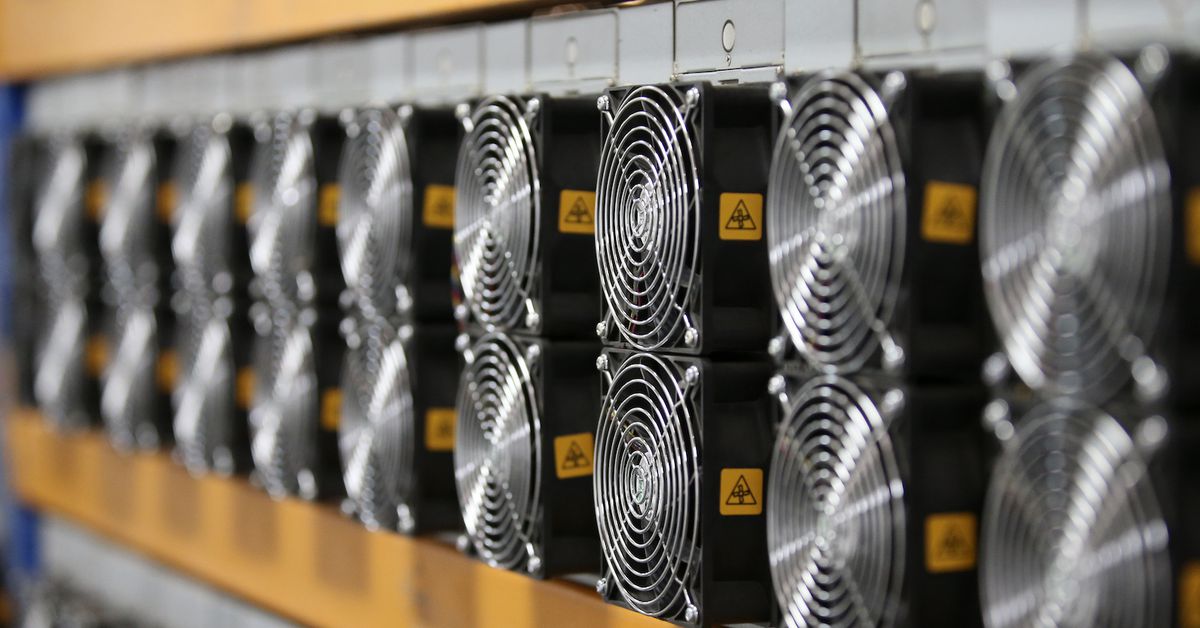
Blockmetrix plans to grow rapidly by using the maximum amount of available capital and debt to buy mining rigs, while controlling power costs through various joint ventures, CEO and co-founder Nevin Bannister told CoinDesk. “Through [joint ventures] we will obtain part-ownership of a co-location facility to ensure low power rates and a place to house our bitcoin miners,” he said.
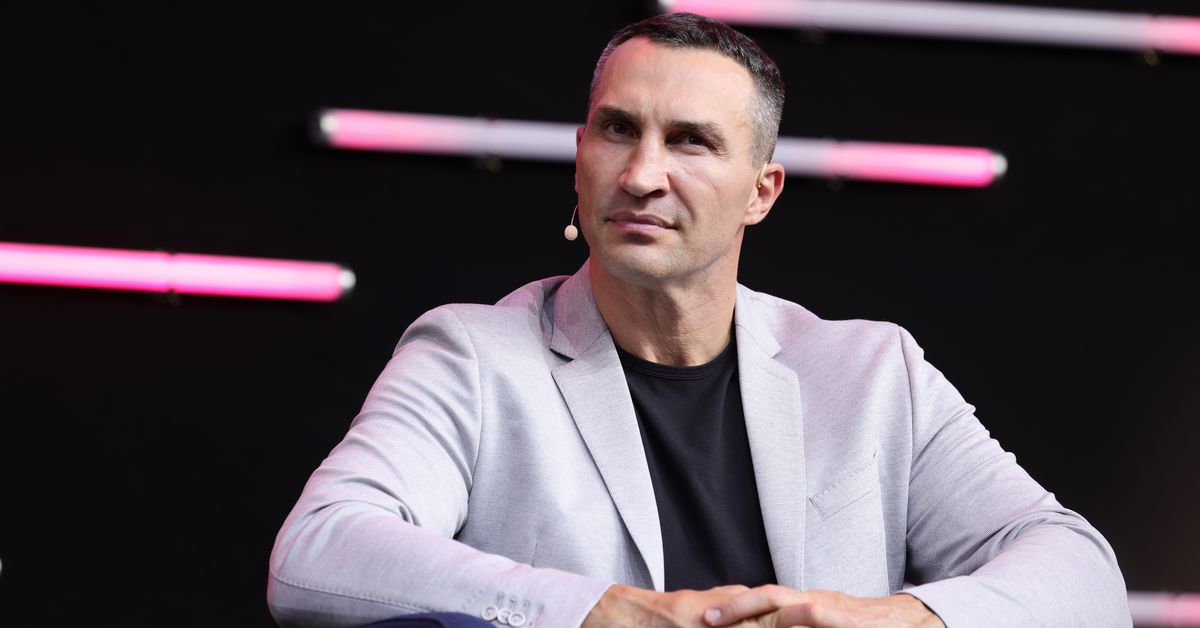
Proceeds from the collection will be donated to Red Cross Ukraine and UNICEF. The collection, titled “Vandalz for Ukraine: WhIsBe x Wladimir Klitschko,” was made in partnership with artist WhIsBe, and will be available to mint in a tiered pricing model for $100, $1,000 and $10,000.
“Those that had bet against the metal’s rise in value have now been forced to buy at a much higher price, creating a short squeeze,” explained Susannah Streeter, an investment analyst at Hargreaves Lansdown, in an email to CoinDesk. “It’s likely a big margin call prompted the suspension of trading, with sharp gains forcing speculators to scramble for additional capital to put into accounts to cover the shortfall.”
Mama Bitcoin is the pseudonym claimed by a young Senegalese Bitcoiner called Bineta. Her business, Bleu comme la mer, was the first retailer in Senegal (and possibly West Africa) to accept crypto as payment. She’s also the first generation of her family to read and write proficiently.
The name Mama Bitcoin takes inspiration from the initials of her name, while the “mama” not only reflects her motherly instincts but serves to inspire other women in West Africa to get into blockchain technology and Bitcoin (BTC). She told Cointelegraph:
“There are very few women that are active in the blockchain space around the world and the situation is no different in Senegal. I wanted to shine a light on being a woman in the crypto industry.”
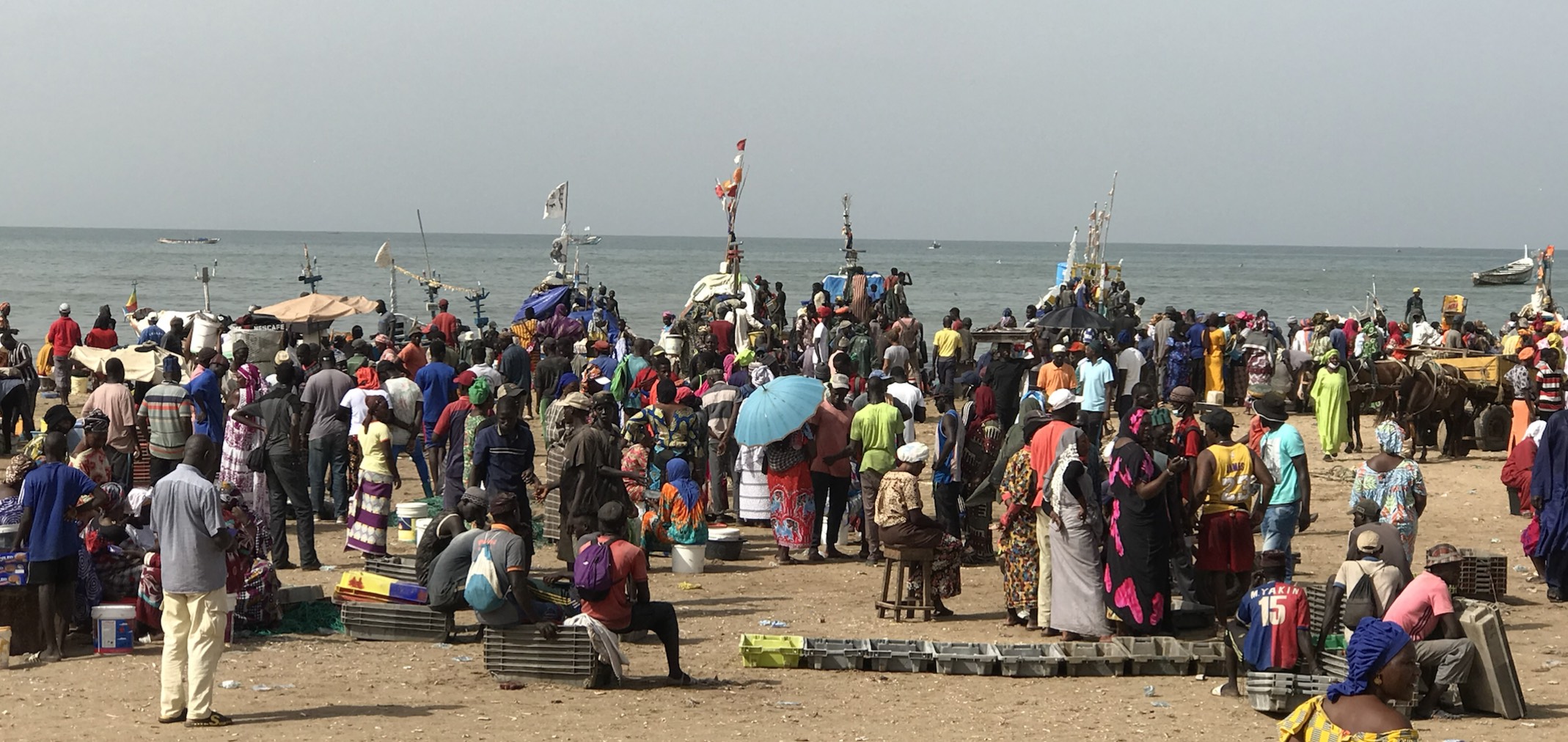
Bineta first stumbled across Bitcoin in early 2017 thanks to a curious combination of good intentions and incongruous circumstances. Bineta had dreams of opening her village’s first bakery, a small fishing village called Mbour 90 minutes south of Senegal‘s capital, Dakar. But, in order to deliver warm pains au chocolat to the community each morning, Bineta needed money.
Mbour village beach, Senegal
It’s incredibly difficult to get a bank loan for a business idea in West Africa, and it’s even harder for women. Bineta had to search for alternative means. She tried a multi-level marketing scheme (MLM) before hearing from a friend in Cameroon that Bitcoin might fit the bill.
After copious research, Bineta‘s curiosity sparked. She quickly realized that Bitcoin was far more important for her vision than a potentially risky MLM scheme. Fast-forward to mid-2017 and Mama Bitcoin had spent hours and hours devouring Bitcoin-related content in French and in English, translating where possible.
She’d arrived at the conclusion that Bitcoin is more than just a “number go up” technology — it could build far more than a new village bakery:
“The more I learned, the more I realized we need this. This kind of money will help overcome so many issues. Not only is Bitcoin a tool for freedom, but the technology underpinning Bitcoin such as blockchain and decentralization will change Africa‘s development.”
The journey down the Bitcoin rabbit hole shifted Bineta‘s plans up a gear. The bakery (Bineta jokes it would have been called the Bitcoin Boulangerie) was dropped and a vision for Bitcoin in West Africa took its place.
As the progress and the price of Bitcoin rose during the 2017 bull run, her understanding of the protocol evolved.
“Bitcoin isn’t just a means of self-financing without using a bank, it’s a technological revolution and a way of unlocking growth and development in Senegal.”
Questions such as “why is it so big yet why do so few Senegalese people talk about it, why is the media avoiding this critical topic, why doesn’t Senegal use this tool and why are there so few women talking about it?” kept swirling in her head.
Bineta set to work, penning articles about Bitcoin on social media websites, reaching out to the Senegalese Bitcoin and crypto community and reevaluating her goals.
Drawing from past experience in business and given the proximity of Senegal to the Atlantic ocean, Bineta allowed herself to dream bigger. She conceived then established an ambitious seaside operation called Bleu comme la mer.
A fishing commerce platform, Bleu comme la mer connects fishermen directly with consumers, removing the middleman. It is the first business in Senegal to accept Bitcoin as payment. They also accept Ether (ETH) and Tezos (XTZ). In fact, Mama Bitcoin founded the Tezos community in West Africa.
Sardines, shrimp, octopus and squid — anything that can be fished from the Atlantic — are available to buy with cryptocurrency on the platform. Bineta adds:
“Payment with cryptocurrencies shows that, contrary to what many people think, Bitcoin is a peer-to-peer payment solution, not a speculative asset.”
Bineta showing a potential buyer how to buy fish with crypto. Source: Mama Bitcoin
The blockchain vision extends merely beyond cryptocurrency payments. Bineta has focused on making Bleu comme la Mer into a decentralized e-commerce platform where fishermen log their catches and consumers can see exactly what was fished and from where.
Not only does the decentralized platform aim to streamline the fishing industry, but it also strives to undermine overfishing, a harmful yet common activity in West Africa’s waters.
Nonetheless, “Senegalese and West Africans are quite skeptical about Bitcoin.” Getting more women into crypto, a passion project of hers, remains a long-standing challenge.
However, there is hope. At Dakar’s first in-person Bitcoin meetup in 2022, there were three women out of 20 participants. It’s a small but strong start, undoubtedly boosted by Mama Bitcoin‘s infectious energy and zest for cryptocurrency.
Celebrating Senegal‘s win in the football tournament The Africa Cup of Nations. Source: Mama Bitcoin
VanEck, an investment firm with almost $82 billion in assets under management, has submitted an application to the United States Securities and Exchange Commission (SEC) for the launch of a new exchange-traded fund that invests in gold mining and Bitcoin (BTC) mining companies.
According to the SEC document filed on March 3, the fund will focus on securities in an index that reflects the performance of gold mining and digital assets mining firms. It would not invest in cryptocurrencies directly or through derivatives. However, there was no ticker or cost ratio mentioned in the document.
VanEck ETF Trust files with the SEC-VanEck Digital Assets Mining ETF https://t.co/pSaogEzRVW
The news of VanEck’s proposed fund comes as concerns over a fresh round of U.S. regulation linger in the air. The U.S. president, Joe Biden, is expected to sign an executive order later this week that will set forth the country’s cryptocurrency strategy.
The order will instruct federal agencies, including the SEC, to submit reports on what measures they’ve taken regarding digital assets later this year. The administration has come under fire for not providing enough clarity on cryptocurrency regulation.
In November, the SEC denied a VanEck ETF that would have bought BTC directly. Despite industry figures advocating for one for years, the regulator has not yet approved such a fund. With the groundwork for regulating the crypto space commencing, regulators may be delaying the approval of such ETFs until a more solid regulatory framework is put in place.
Earlier this year, VanEck announced the creation of its first cryptocurrency fund. The fund is listed on the Deutsche Boerse Xetra and SIX Swiss exchanges as an exchange-traded note, or ETN, with exposure to BTC, ETH, DOT, SOL, TRX, AVAX and MATIC.
In April last year, VanEck introduced its Digital Transformation ETF (DAPP), which invests in firms that provide cryptocurrency exchanges, miners, and other crypto-related stocks. The firm also launched its Bitcoin Strategy Fund (XBTF), which invests in cash-settled Bitcoin futures contracts.
A single trader or several traders bought more than 36,000 contracts of Deribit-listed ether put option expiring on March 18, of which more than 20,000 were blocked on institution-focused over-the-counter tech platform Paradigm, according to Swiss-based data tracking firm Laevitas. The put option buyers would make money if ether drops below $2,200 by March 18. That’s a roughly 13% decline from the current market price of $2,514.
“We thought it would be really cool trying to picture all these different kinds of Jews. Whether you are Ashkenazi, Sephardi, religious or not religious, Orthodox, Reform or Conservative. I don’t even tend to like those labels. For me a Jew is a Jew, it doesn’t matter who you are or where you come from,” Rebecca said.
The leader in news and information on cryptocurrency, digital assets and the future of money, CoinDesk is a media outlet that strives for the highest journalistic standards and abides by a strict set of editorial policies. CoinDesk is an independent operating subsidiary of Digital Currency Group, which invests in cryptocurrencies and blockchain startups. As part of their compensation, certain CoinDesk employees, including editorial employees, may receive exposure to DCG equity in the form of stock appreciation rights, which vest over a multi-year period. CoinDesk journalists are not allowed to purchase stock outright in DCG.