Tag: stablecoins

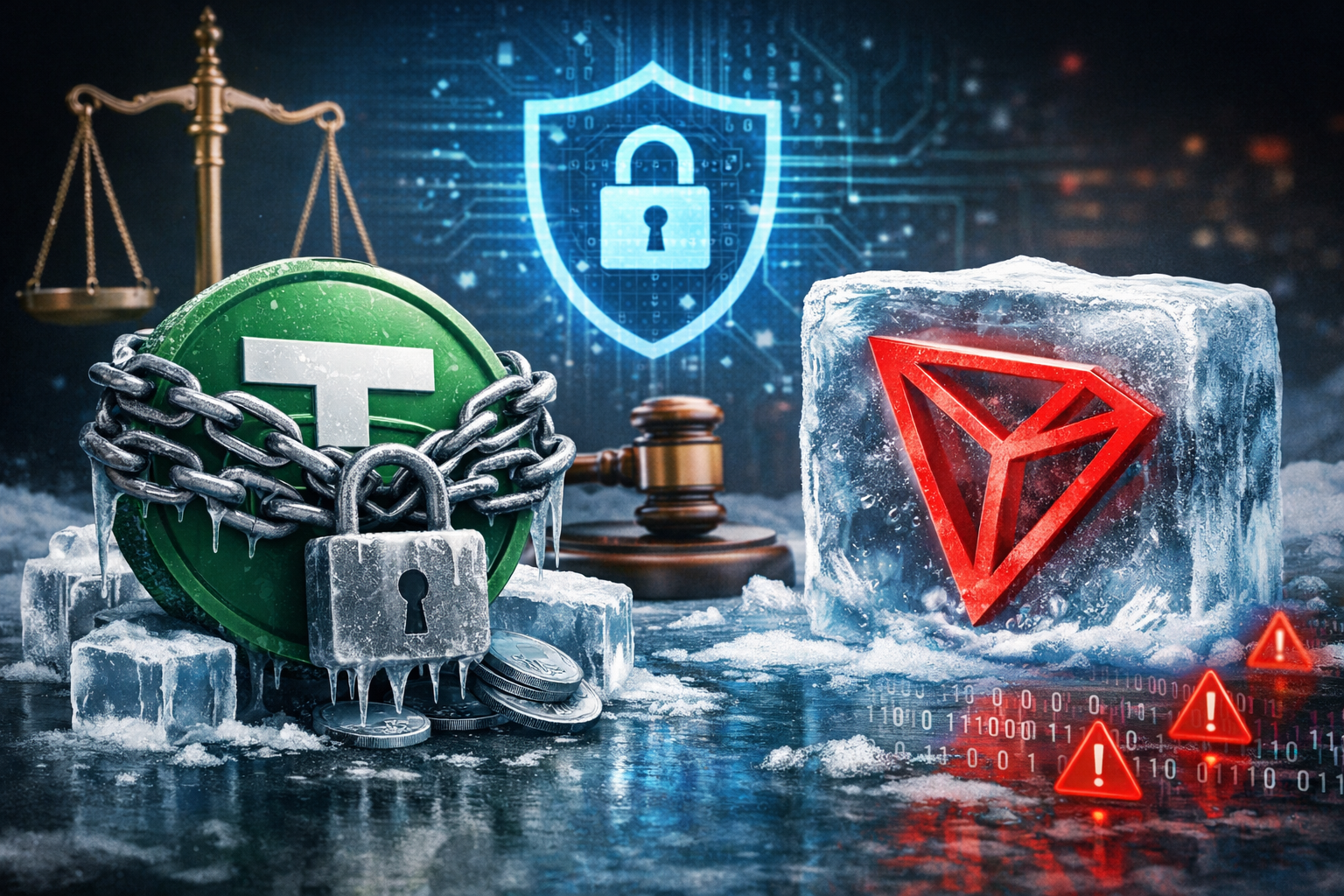
  • Tether freezes $182M in USDT, highlighting centralized control in stablecoins

    Tether freezes $182M in USDT, highlighting centralized control in stablecoins

    Tether tightens compliance grip as major USDT freeze hits Tron

    • The action was detected by Whale Alert and ranks among the largest single-day USDT freezes.
    • Tether has frozen over $3 billion in assets from more than 7,000 addresses since 2023.
    • Stablecoins now account for the majority of illicit crypto activity tracked by Chainalysis.

    Tether, the issuer of the world’s largest stablecoin, froze more than $180 million worth of USDT within 24 hours, underscoring the growing role of centralized control and law-enforcement coordination in the stablecoin market.

    The event stands out not only for its size but also for what it reveals about issuer-level control in the crypto economy.

    As regulators scrutinise digital dollars more closely, the mechanics behind this freeze offer insight into how compliance now shapes on-chain liquidity.

    Large-scale freeze on Tron

    On Jan. 11, Tether froze roughly $182 million worth of USDT held across five Tron-based wallets in a single day.

    The action was flagged by on-chain tracker Whale Alert, which showed individual wallet balances ranging from about $12 million to nearly $50 million.

    The timing and concentration of the freezes marked it as one of the largest single-day USDT enforcement events recorded on the Tron network.

    The wallets were not drained or moved.

    Instead, the tokens were locked at the contract level, making them unusable while remaining visible on-chain.

    This approach is consistent with how fiat-backed stablecoins are restricted when issuers respond to external requests.

    Enforcement-linked coordination

    While Tether did not publish a detailed explanation, the freezes appear linked to cooperation with US authorities, including the Department of Justice and the Federal Bureau of Investigation.

    Historically, similar actions have followed investigations tied to scams, hacking incidents, sanctions breaches, or other forms of illegal crypto usage.

    Tether maintains administrative control through special keys embedded in the USDT smart contracts it issues.

    These keys allow the company to halt or freeze tokens at the issuer level.

    Such functionality is central to how stablecoin operators comply with anti-money-laundering rules and legal enforcement demands, particularly when funds are suspected of being linked to criminal activity.

    Scale of past USDT freezes

    Data from analytics firm AMLBot places the Jan. 11 action in a broader context.

    Between 2023 and 2025, Tether froze more than $3 billion in assets spread across over 7,000 addresses.

    That cumulative figure far exceeds comparable actions by other stablecoin issuers, underlining USDT’s dominant role in enforcement-led interventions.

    Tron has become one of the largest settlement layers for USDT, with more than $80 billion in circulation on the network.

    Its low fees and fast settlement times have driven adoption, particularly in emerging markets and high-frequency trading environments.

    At the same time, this scale makes Tron-based USDT a focal point for monitoring illicit flows.

    Centralisation and market implications

    The episode has renewed debate around centralised control in stablecoins.

    Unlike decentralised assets such as Bitcoin, USDT can be paused or frozen by its issuer when legal pressure is applied.

    This structural difference has practical consequences for users who rely on stablecoins as cash equivalents.

    According to Chainalysis, stablecoins accounted for around 84 % of illicit crypto activity by the end of 2025.

    The data reflects how dollar-pegged tokens have become a primary medium in fraud cases and sanctions-related transfers.

    As enforcement actions grow in size and frequency, issuer-controlled stablecoins continue to sit at the intersection of regulatory compliance and decentralised finance.
    Source link

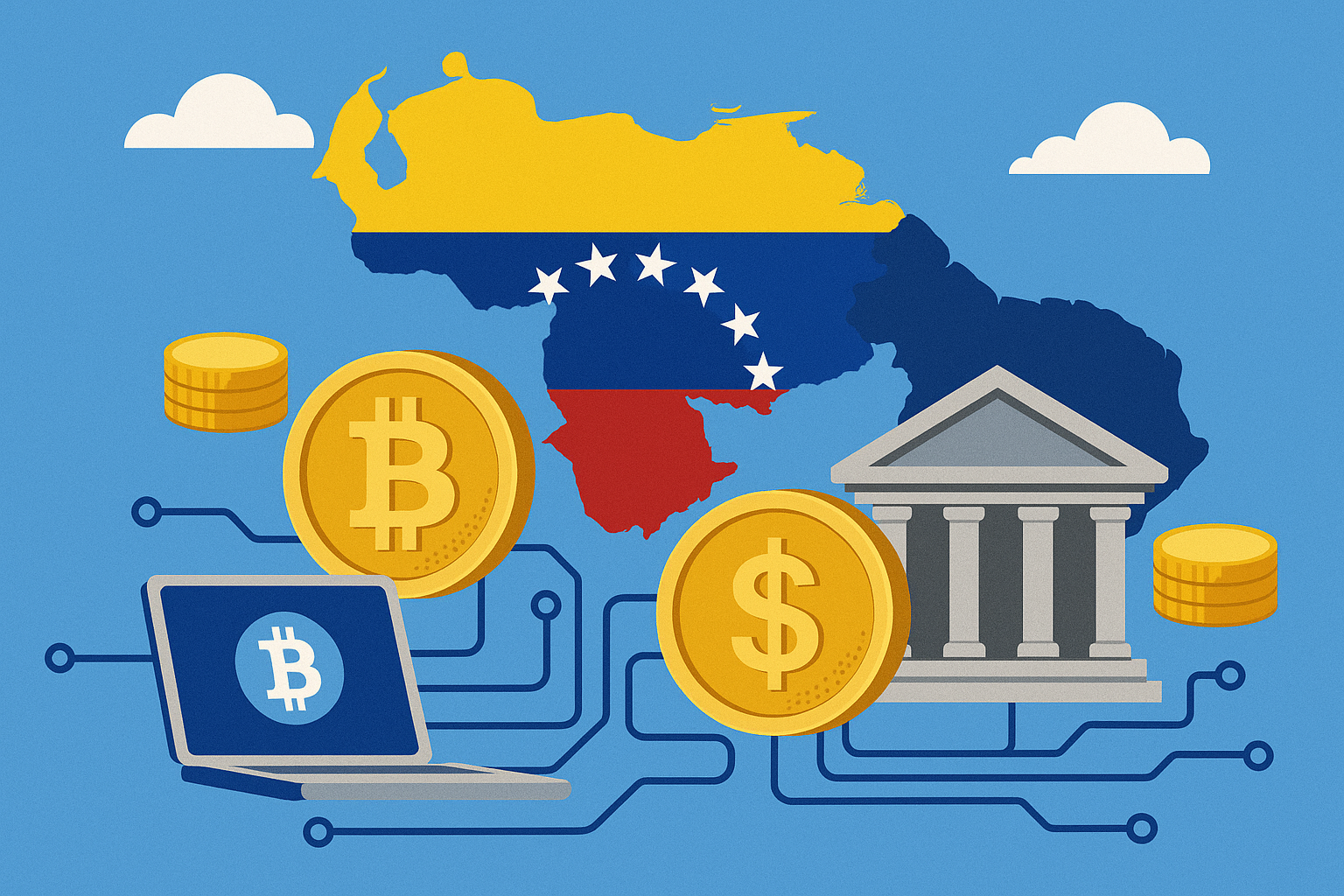
  • Venezuela to integrate Bitcoin and stablecoins into its banking network by December

    Venezuela to integrate Bitcoin and stablecoins into its banking network by December

    Venezuela to integrate Bitcoin and stablecoins into its banking network by 2025

    • Local banks will offer custody, transfers, and crypto-to-fiat exchange services.
    • The bolivar’s sharp depreciation has driven a surge in stablecoin adoption.
    • Conexus currently processes nearly 40% of Venezuela’s electronic payments.

    Venezuela is preparing to merge its struggling traditional banking system with digital currencies as payment giant Conexus plans to integrate Bitcoin and stablecoins into the national banking infrastructure.

    The move, expected to launch in December 2025, marks a significant step in the country’s financial transformation, offering Venezuelans a regulated channel for cryptocurrency use.

    With the bolivar’s persistent depreciation and rising adoption of stablecoins, this development could make Venezuela one of the first nations to formally blend fiat and crypto operations under a unified system.

    The integration also reflects Venezuela’s long-standing struggle with international sanctions that have limited access to global banking.

    By adopting blockchain-based systems, Conexus aims to provide citizens with a more resilient alternative that can facilitate remittances, domestic transfers, and business payments without heavy dependence on foreign intermediaries and unstable local exchange rates.

    The initiative also seeks to improve financial inclusion nationwide, making digital transactions more accessible to individuals and businesses across the country.

    Conexus aims to bridge banks and blockchain

    Conexus, which currently processes nearly 40% of Venezuela’s electronic transactions, is leading this shift by allowing local banks to offer direct crypto services such as custody, transfers, and fiat conversion for Bitcoin and stablecoins.

    The integration seeks to make digital currency access seamless for customers within their regular bank accounts, eliminating the need for external wallets or apps.

    The new infrastructure will be built on blockchain technology to enhance transparency and transaction security.

    According to the company, the system will enable both individuals and businesses to move between digital and traditional currencies safely, reducing reliance on unregulated exchanges.

    Growing reliance on stablecoins amid inflation

    Years of hyperinflation have eroded confidence in the bolivar, pushing Venezuelans to rely heavily on stablecoins like Tether (USDT) as a store of value and medium of exchange.

    From small retailers to freelancers, many now prefer stablecoins to protect earnings from volatility.

    Conexus President Rodolfo Gasparri has highlighted that this surge in stablecoin transactions demonstrates a clear public demand for better integration between crypto and banking systems.

    The company’s upcoming model aims to formalise this reality by providing regulated access to crypto within Venezuela’s financial framework, allowing citizens to transact and save using digital assets with greater confidence.

    Potential blueprint for emerging economies

    The Conexus initiative could reshape not only Venezuela’s financial sector but also set an example for other economies facing currency crises.

    By offering a direct bridge between fiat and digital assets, the model could help millions gain access to stable, low-cost, and transparent financial services.

    Venezuela’s attempt to merge traditional finance with blockchain technology aligns with global trends toward digitalisation of money, particularly in regions where economic instability drives innovation.

    If implemented successfully, this system could serve as a prototype for countries in Latin America and beyond, where inflation and limited banking access continue to affect economic stability.

    Source link